Hiroshi Abe

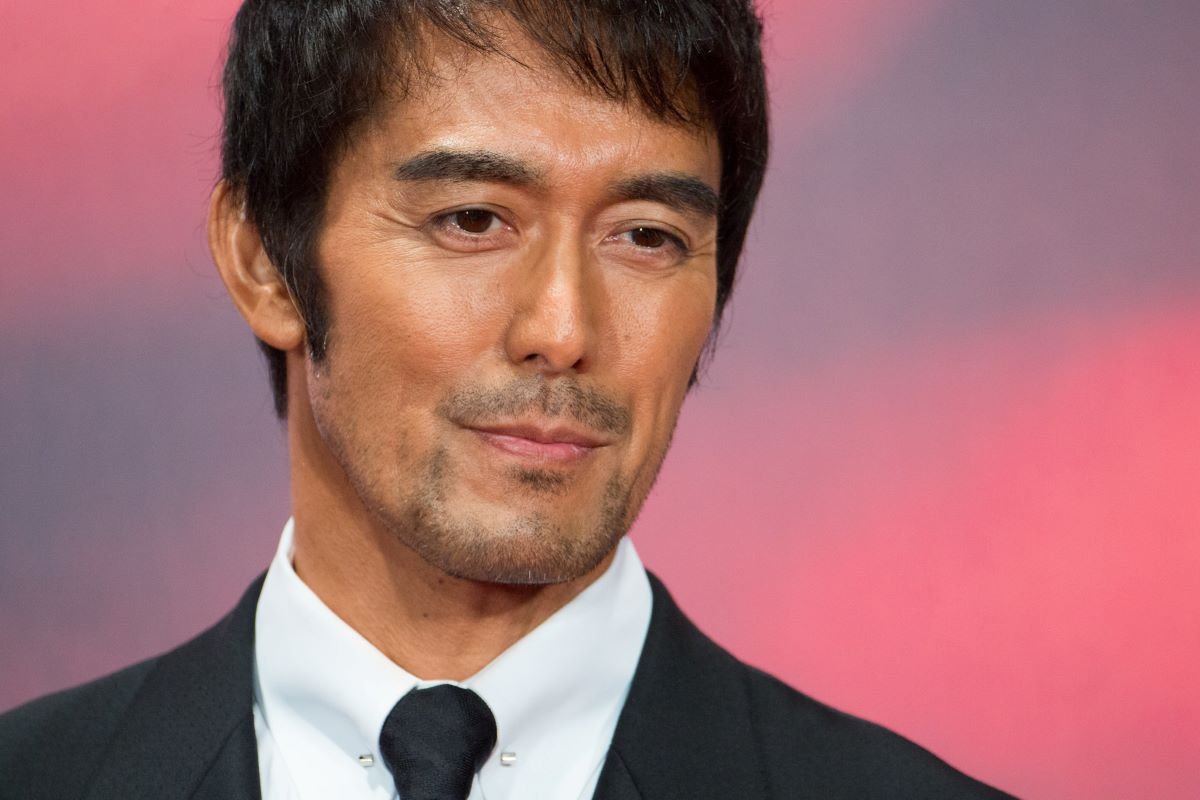
Hiroshi Abe: A Study in Japanese Leading Men

Hiroshi Abe is a prominent figure in Japanese cinema, known for his commanding screen presence, versatility, and ability to bring depth to a wide range of characters. Born in 1964, Abe has built a career spanning over three decades, establishing himself as one of Japan’s most respected leading men. From his early days as a

Rinko Kikuchi

Rinko Kikuchi: Breaking Boundaries in International Film

Rinko Kikuchi is a trailblazing Japanese actress who has made a significant impact on both Japanese and international cinema. Born in 1981, Kikuchi rose to global prominence through her powerful performances, marked by her ability to convey deep emotion and complexity. She is one of the few Japanese actresses to break into Hollywood successfully, challenging
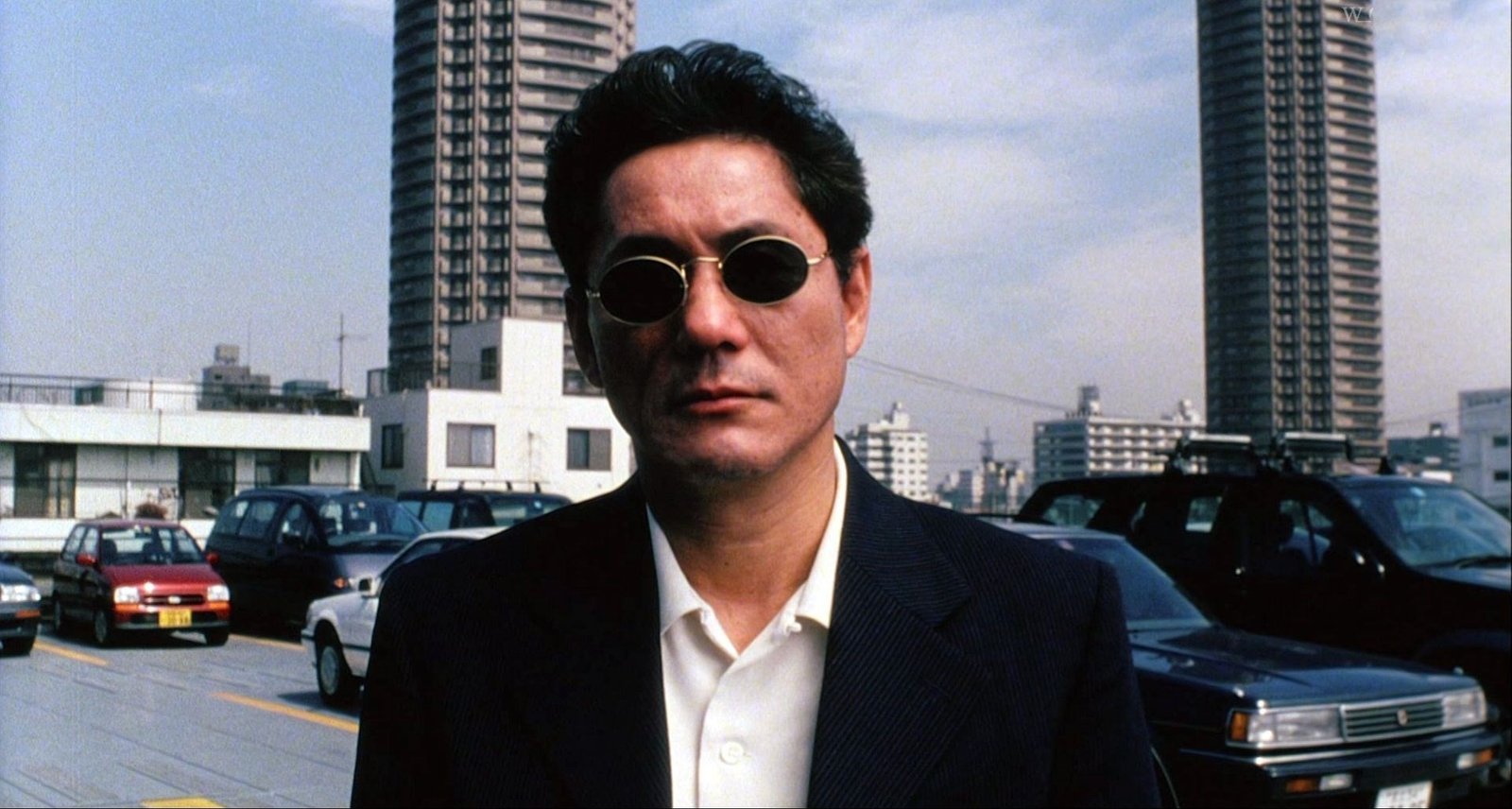
Takeshi Kitano

Takeshi Kitano: From Comedy to Crime Drama

Takeshi Kitano, also known by his stage name “Beat Takeshi,” is one of Japan’s most versatile and influential filmmakers and actors. Beginning his career in comedy, Kitano has successfully transitioned into a celebrated director and actor known for his unique style in crime dramas and yakuza films. His career journey, from comedy to crime drama,
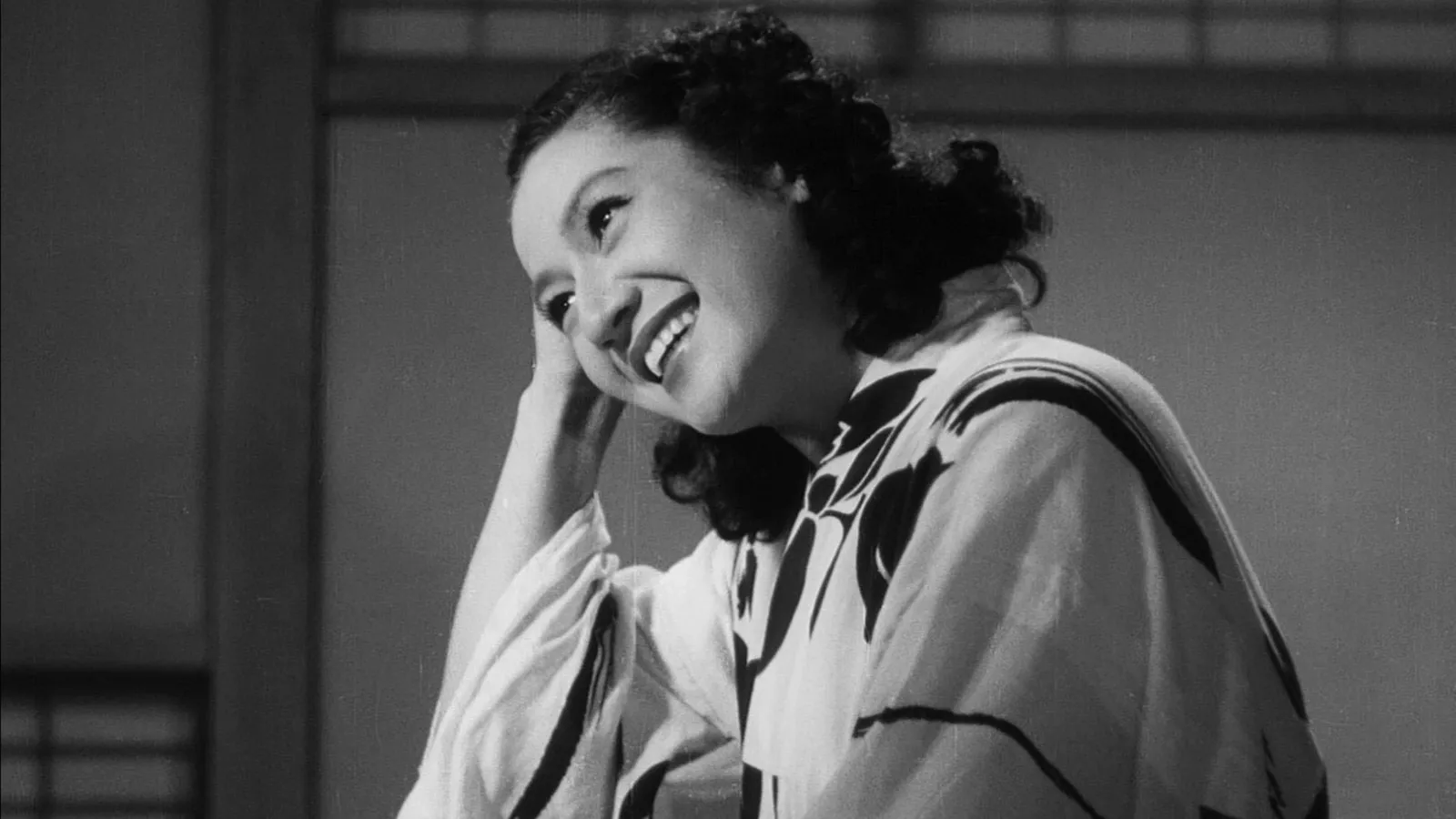
Setsuko Hara

Setsuko Hara: The Quintessential Japanese Screen Star

Setsuko Hara, born in 1920, remains one of Japan’s most celebrated and iconic screen stars. Her career, which spanned from the late 1930s to the early 1960s, is distinguished by her remarkable versatility and profound impact on Japanese cinema. Known for her compelling performances and distinct screen presence, Hara’s work has left an enduring legacy
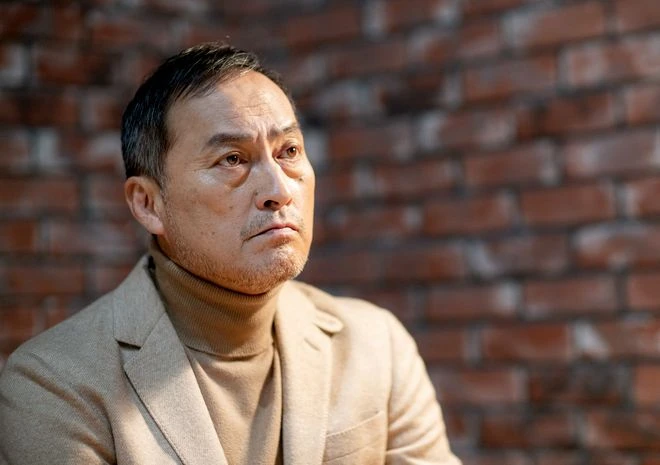
Ken Watanabe

Ken Watanabe: Versatile Star Across Genres

Ken Watanabe, born in 1959, is one of Japan’s most acclaimed actors, celebrated for his versatile performances across a wide range of genres. With a career that spans over four decades, Watanabe has made significant contributions to both Japanese and international cinema. Known for his powerful presence and nuanced acting, he has earned a reputation
Toshiro Mifune

Toshiro Mifune: Icon of Japanese Cinema

Toshiro Mifune, born in 1920, is widely regarded as one of the most iconic figures in Japanese cinema. With a career spanning over five decades, Mifune’s contributions to film are both vast and influential. His dynamic performances, particularly in collaborations with director Akira Kurosawa, have left an indelible mark on the world of cinema. This
Audition

Audition: Exploring Japanese Psychological Horror

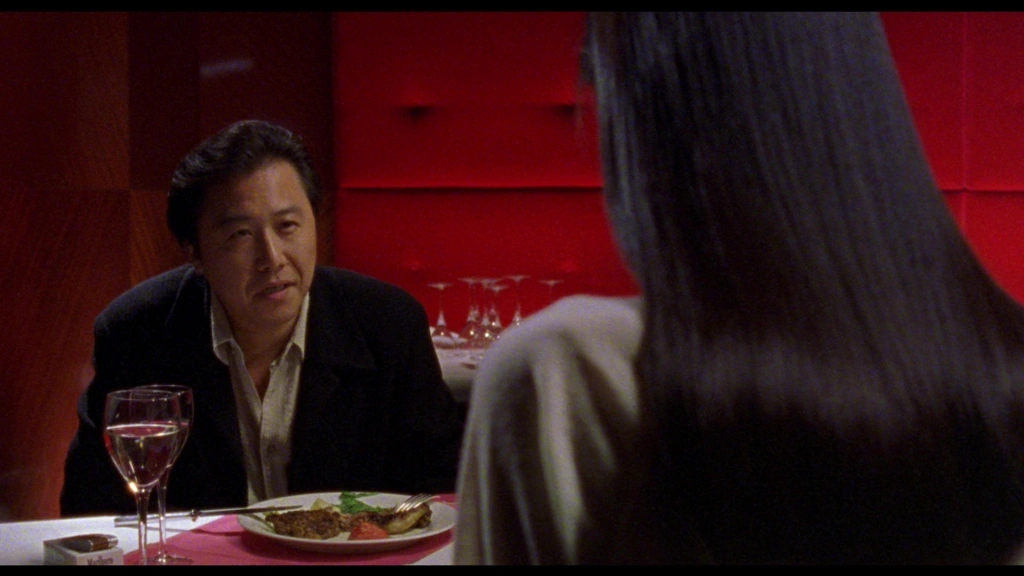
Released in 1999 and directed by Takashi Miike, “Audition” (オーディション) stands as a significant work in Japanese psychological horror cinema. Based on the novel by Ryu Murakami, the film is renowned for its disturbing narrative, psychological depth, and unsettling atmosphere. This article explores “Audition’s” place in the genre of psychological horror, its impact on cinema,
A Timeless Love Story

Your Name: A Timeless Love Story

Released in 2016 and directed by Makoto Shinkai, “Your Name” (Kimi no Na wa) quickly became a global sensation, captivating audiences with its compelling blend of romance, fantasy, and stunning animation. The film’s innovative storytelling and emotional depth have earned it critical acclaim and a special place in the hearts of viewers worldwide. This article
Harakiri: Mastering Japanese Cinematic Craft

Harakiri: Mastering Japanese Cinematic Craft

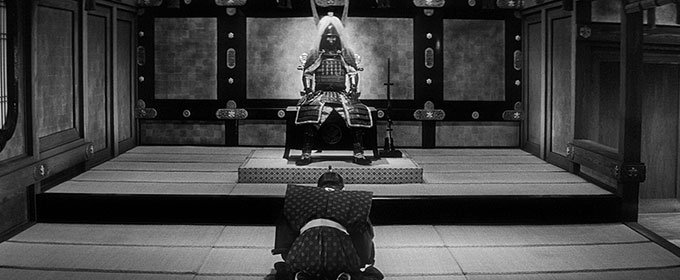
Released in 1962 and directed by Masaki Kobayashi, “Harakiri” (also known as “Seppuku”) is a landmark film in Japanese cinema, renowned for its profound narrative, striking visuals, and critical exploration of societal norms. The film, adapted from a screenplay by Shinobu Hashimoto, examines themes of honor, hypocrisy, and the samurai code, all within the context
Tokyo Story's Impact on Filmmaking

Tokyo Story’s Impact on Filmmaking

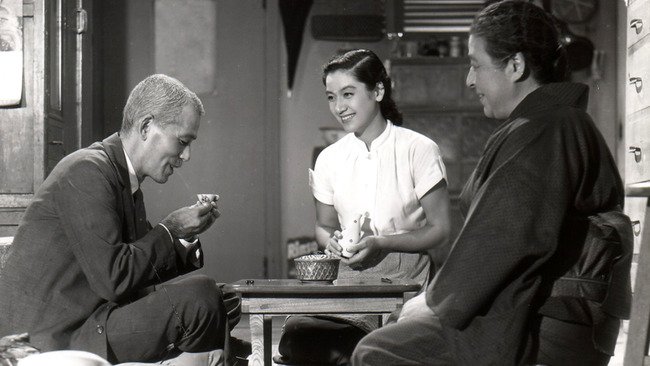
Tokyo Story’s Impact on Filmmaking. Released in 1953 and directed by Yasujirō Ozu, “Tokyo Story” is a seminal work in the history of cinema. The film is renowned for its profound narrative, subtle emotional depth, and innovative filmmaking techniques. Its influence extends far beyond its original release, affecting the trajectory of filmmaking both in Japan