
The role of luck versus skill in casino games: A closer look

Understanding the Balance of Luck and Skill
In the realm of casino games, the debate surrounding luck versus skill is a longstanding one that captivates both casual players and seasoned gamblers. Luck is defined as the chance occurrence of events, leading to outcomes independent of one’s actions. Conversely, skill refers to the ability to execute strategies and make informed decisions, significantly influencing the result of the game. When examining various casino games, including the popular offerings at brianscookers.co.uk , it’s essential to recognize that some games, like slot machines, heavily rely on luck, while others, such as poker and blackjack, exhibit a balanced interplay of both factors. This distinction shapes how players approach different types of games and their expectations of success.
The influence of luck in casino games is most evident in games where the outcome is entirely random. In games such as roulette or slots, players have no control over the results, as they are dictated solely by chance. A player’s success in these games hinges on luck, leading to the realization that while strategy may be implemented in betting amounts or timing, ultimately, the outcome is unpredictable. This randomness can create a thrilling atmosphere but can also lead to disappointment, highlighting that luck plays a dominant role. Understanding this dynamic helps players manage their expectations and enjoy the experience without undue frustration.
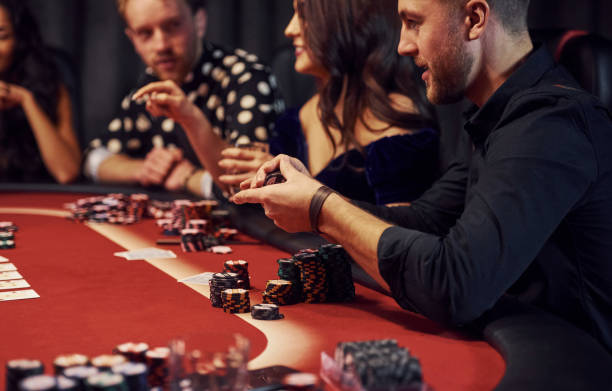
On the other side of the spectrum, games like poker and blackjack invite players not just to rely on luck but also to employ a range of skills. In poker, for instance, understanding the odds, reading opponents, and making calculated bluffing decisions can significantly impact the game’s outcome. Players who develop a keen sense of strategy and psychological insight often find themselves ahead in the long run, suggesting that skill can mitigate the element of fortune, allowing savvy players to thrive even in luck-based scenarios. This duality encourages players to engage more deeply with the game, turning it into a blend of chance and strategy.
The Role of Luck in Casino Games
Luck acts as the driving force behind many casino games, particularly those dependent on random number generation or chance events. Slot machines exemplify this phenomenon. Players insert their money and pull the lever or press a button, hoping for a favorable combination of symbols that may lead to a jackpot. While the outcome is entirely based on the machine’s random number generator, players often engage in rituals or strategies in hopes of influencing luck, despite the absence of any actual impact on the odds. This reliance on luck can lead to a rollercoaster of emotions, where the thrill of a big win is often juxtaposed with the disappointment of losses.
Another example of luck’s overwhelming influence can be seen in games like roulette. Players place bets on various outcomes, whether it be a specific number, color, or range of numbers. Once the dealer releases the ball, all control rests away from the player; the outcome is purely a matter of chance. While some may try to use betting systems to manage risk, the inherent unpredictability of the game serves as a reminder that luck prevails in these scenarios. This creates an environment where players must accept that their fates are intertwined with randomness, enhancing the excitement but also the risk of discouragement.
Despite its significant presence in such games, luck can create an illusion of control for players. Many gamblers develop various superstitions or rituals—choosing specific numbers, wearing lucky clothing, or employing particular betting strategies. Such behaviors expose the human tendency to seek patterns and controllable elements within random environments, emphasizing how deeply the notion of luck permeates the experience of casino gaming. This psychological aspect can impact players’ choices, leading them to believe they have more power over outcomes than they truly do, which can complicate their approach to gaming.
The Importance of Skill in Gambling
In stark contrast to pure luck games, skill-based games permit players to exercise their knowledge and abilities strategically. Blackjack offers a prime illustration, as it is a game that blends the element of chance with mathematical probability and decision-making. Players are tasked with making choices based on their hand, the dealer’s face card, and the probability of winning. Knowledge of basic strategy allows players to minimize the house edge, showcasing how skillful play can lead to improved outcomes. This strategic aspect not only enhances the enjoyment of the game but also rewards those who take the time to learn and adapt.
Moreover, poker exemplifies the significant impact of skill on the game’s outcome. Unlike games of pure chance, poker requires players to develop a deep understanding of betting strategies, psychological tactics, and risk management. Skilled players can analyze their opponents’ behaviors, making decisions that can drastically alter the flow of the game. As a result, those who invest time in learning and refining their skills often find themselves more successful over time compared to those who rely solely on luck. This ability to influence the game’s outcome through skill underscores the importance of education and practice in gambling.
While luck is still present in poker, players can leverage their skills to navigate the game’s complexities effectively. The skill component allows skilled poker players to adapt their strategies based on the evolving dynamics of each game, reinforcing the notion that skill can offset the disadvantages posed by luck. This variability in player performance highlights the multifaceted relationship between luck and skill in casino games. Players who embrace this relationship often experience more satisfaction, as their success is rooted in knowledge and expertise rather than mere chance.
The Hybrid Nature of Casino Gaming
The interplay between luck and skill is not strictly dichotomous; rather, many casino games occupy a spectrum where both factors coexist. For instance, baccarat is often perceived as a game of chance, yet players can still choose strategies for managing bets and analyzing trends. Similarly, sports betting combines elements of skill and research, as bettors must evaluate various factors—team performance, injuries, and other statistics—before placing their wagers, while the outcome ultimately rests on unpredictable sporting events. This blending of elements enhances the complexity and engagement of the gaming experience.

This hybrid nature reflects the diverse experiences players encounter in casinos. The thrill of chance can draw players into engaging games, while the satisfaction of employing skill can lead to a fulfilling gaming experience. Casinos recognize this dynamic, often promoting skill-based games alongside traditional ones, catering to a broad audience that balances chance and strategy. This approach invites players of all preferences, ensuring a rich variety of offerings that appeal to both risk-takers and strategic thinkers alike.
Ultimately, the intricate relationship between luck and skill within casino gaming exemplifies the complexity of human behavior in uncertain conditions. Players frequently oscillate between skillful decision-making and the acceptance of chance, creating an environment rich with excitement and unpredictability. This duality adds depth to the gaming experience, allowing players to engage with both their intellect and the fabled whims of fortune. This rich tapestry of experiences is what keeps players returning to the gaming floor, eager for their next adventure.
Why Understanding This Balance Matters
Understanding the balance between luck and skill in casino games is crucial for both novice and experienced players. Recognizing the distinction allows individuals to approach games with appropriate expectations, managing their emotions and making informed decisions. For instance, knowing that games like slots largely depend on luck can help players avoid disappointment when they experience losses, fostering a more enjoyable gaming environment. This awareness encourages players to engage with games that align with their preferences, whether they seek pure chance or skillful competition.
Additionally, acknowledging the role of skill in games like poker and blackjack may inspire players to invest time in learning and honing their strategies. This not only enhances their gaming experience but can also lead to more favorable long-term results. Players who embrace the development of their skills often find themselves more engaged and satisfied with their gameplay, paving the way for a more rewarding casino journey. This investment in skill development transforms gambling from a mere game of chance into a strategic endeavor.
In conclusion, the interaction between luck and skill is a vital aspect of the casino experience that can profoundly affect players’ attitudes and approaches to gaming. This understanding not only enhances the enjoyment of games but also encourages responsible gambling. By cultivating a balanced perspective on luck versus skill, individuals can navigate the exhilarating world of casinos with both wisdom and enjoyment. This balance not only enriches the gaming experience but also promotes a healthier relationship with gambling, leading to a more sustainable and fulfilling pastime.